The High Commissioner for Human Rights visits Iraq

Geneva/Baghdad (6 August 2023)

Today, the United Nations High Commissioner for Human Rights, Volker Türk, began an official four-day mission to Iraq, at the invitation of the Iraqi government.

During his visit, Turk will hold meetings in Baghdad and Basra in the southwest of the country, as well as in Erbil in the north.

The High Commissioner will meet with senior government, parliamentary and judicial officials at the national level, as well as high-level officials in the Kurdistan Regional Government and officials in Basra.

He will also engage with civil society representatives in Baghdad, Basra and Erbil on a range of issues, including the impact of climate change on human rights.

At the conclusion of his mission, on 9 August, the High Commissioner is scheduled to hold a press conference in Baghdad at approximately 17:00 local time. Access to the press conference will be limited exclusively to approved media.

More details about the press conference, including instructions for registration, will be included in a media invitation issued locally.


For more information and media requests, please contact:
  • Raveena Shamdasani – (Coming with the High Commissioner) ravina.shamdasani@un.org
  • in Baghdad
    Dhara Al Tamimi – +964 770 0412409 | kareemt@un.org
  • In Geneva
    Elizabeth Throssell – +41 22 917 9296 | elizabeth.throssell@un.org أو
    Martha Hurtado – +41 22 917 9466 | marta.hurtadogomez@un.org

HROJPIL: We are coordinating with Jordan regarding the Kurdistan-Iraq region


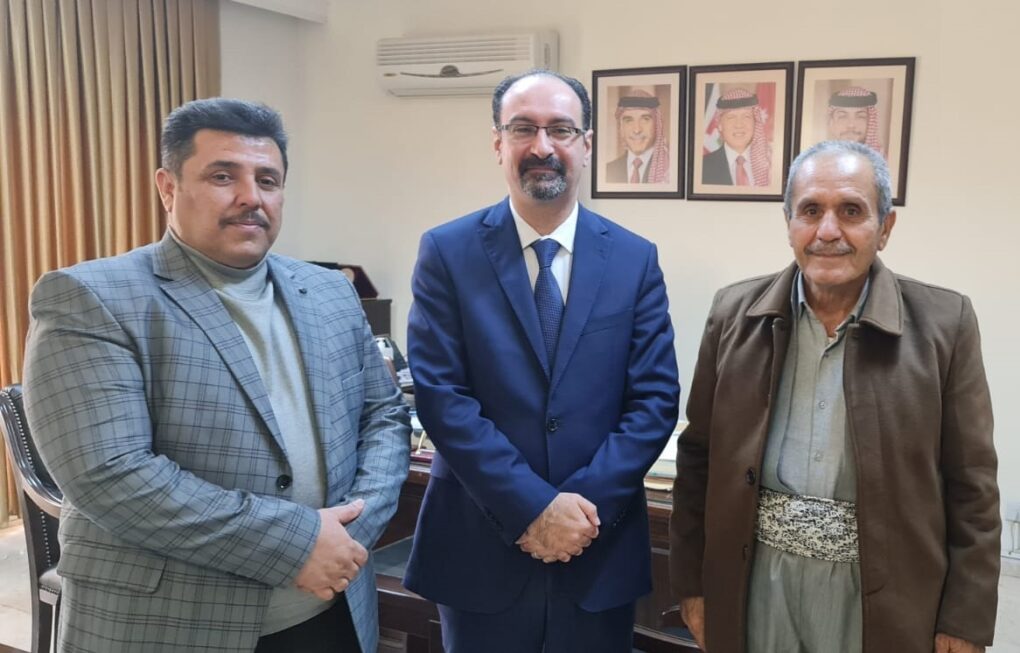
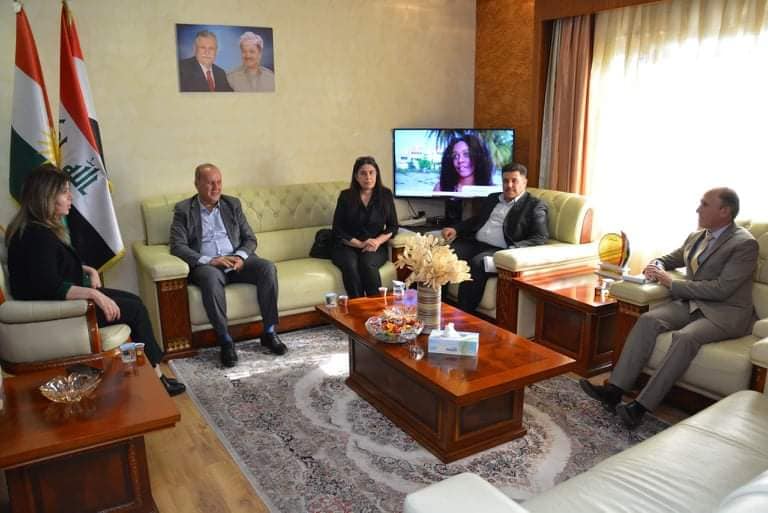
The Director of the Office of HROJPIL in the Kurdistan Region of Iraq, Mr. Barbas Muhammad Taher Abdul Rahman, accompanied a delegation of the organization’s members, headed by Mr. Qasim Sharif, on an official visit to the Consulate of the Hashemite Kingdom of Jordan in the Kurdistan Region of Iraq. On Thursday, December 22, 2022, and presenting a bouquet of flowers.

The delegation discussed with the honorable Jordanian Consul, about the organization’s programs and activities, and providing means of cooperation and support.

The meeting ended with the presentation of a bouquet of roses from the organization, in addition to thanks and appreciation for the role of the Hashemite Kingdom of Jordan in finding solutions and trying to provide global security, stability, and peace in the Middle East region.
HROJPIL: We are in Kurdistan-Iraq


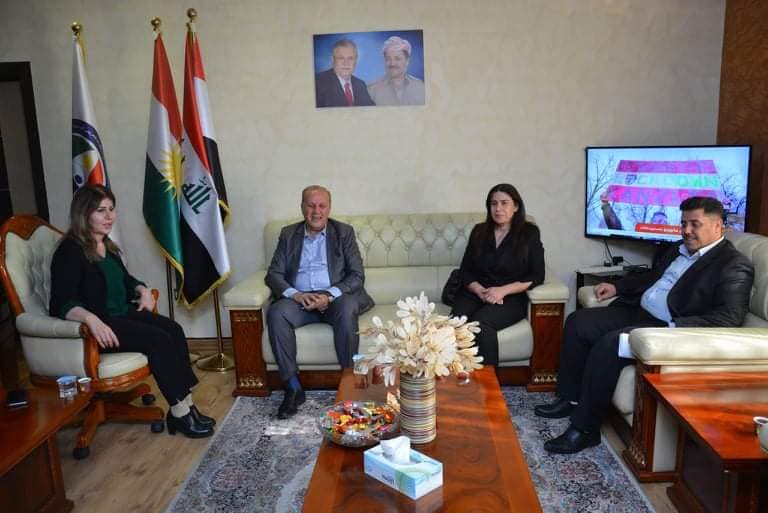
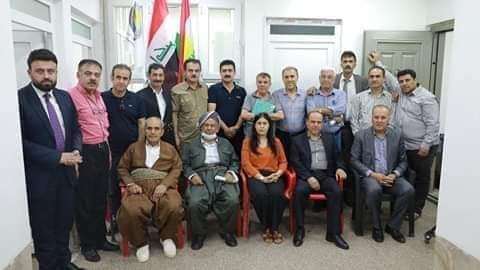
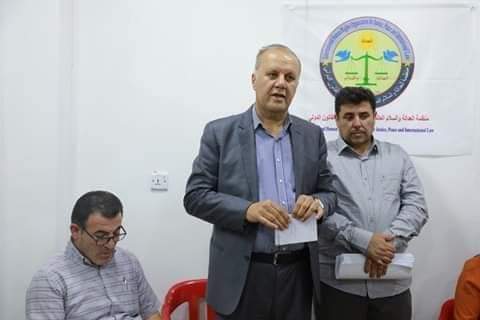
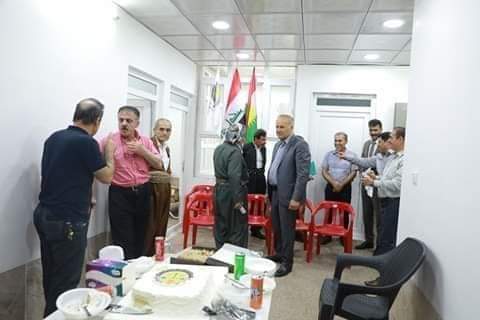
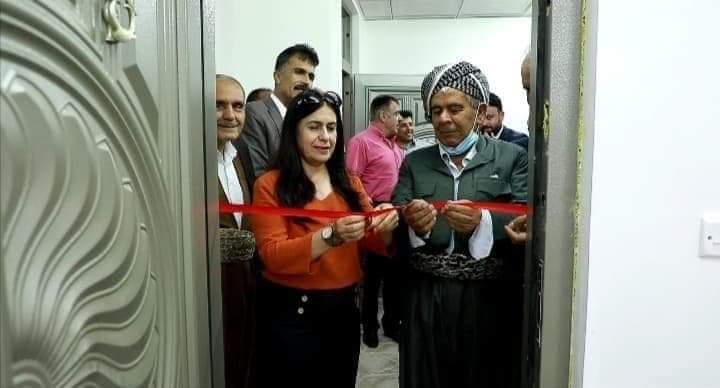
The opening ceremony of the Office of “International Human Rights Organization for Justice, Peace and International Law. – HROJPIL” in the Kurdistan Region of Iraq, on 5/30/2021.

Headed by the jurist Mr. Barbas Muhammad Taher Abdel Rahman, and in the presence of a number of members of the organization and legal figures.

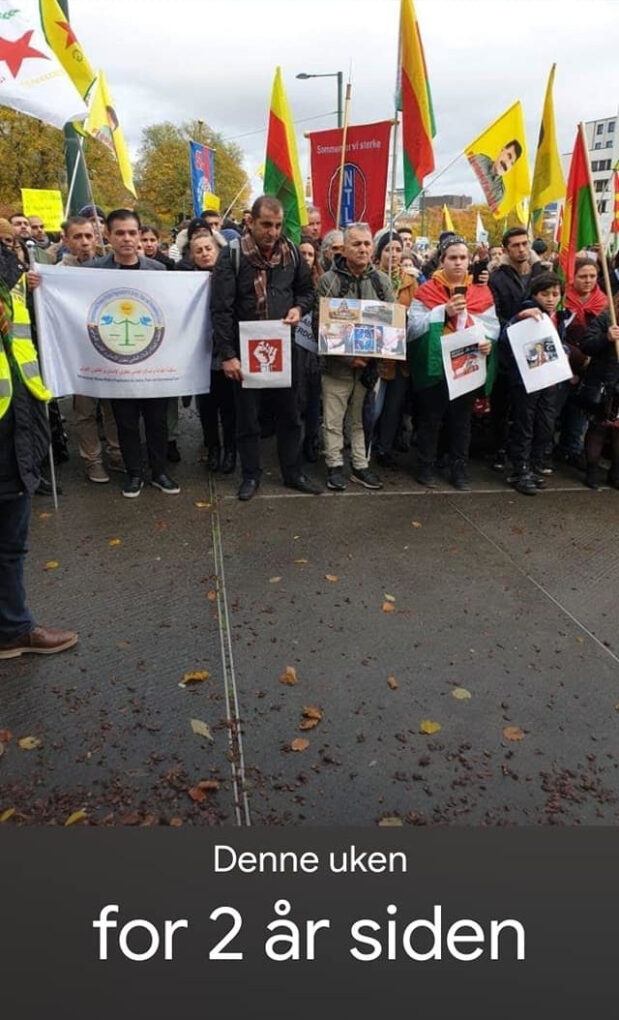
 

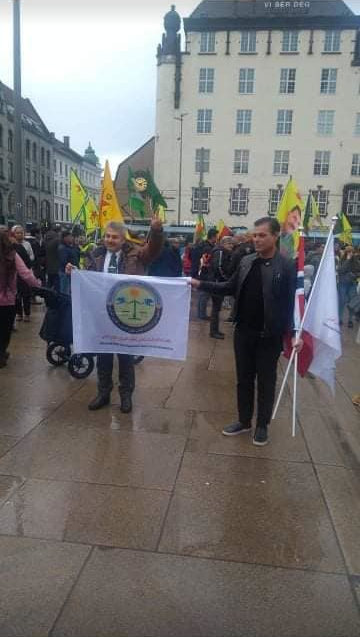
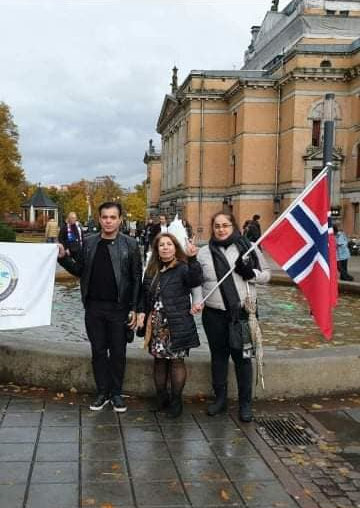
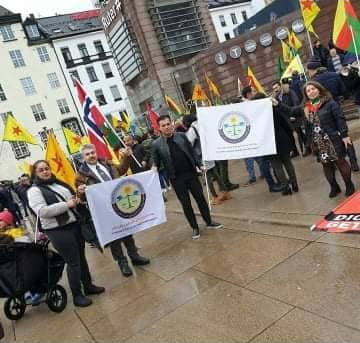
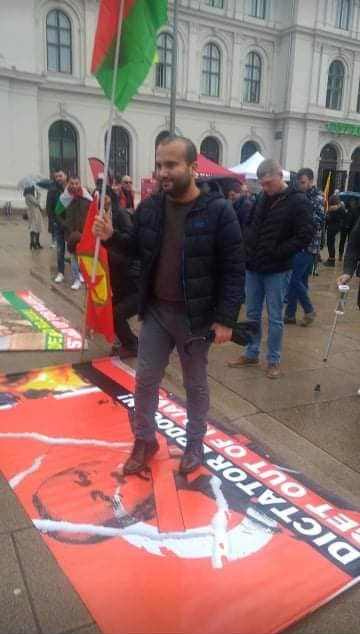
Norway demonstrations against the Turkish occupation of the city of Afrin


The organization participated in arranging and coordinating demonstrations in Norway on 10/19/2019 against the Turkish aggression and occupation of the city of “Afrin” in northeastern Syria.

Ten thousand demonstrators participated in the protest demonstrations, representing many Norwegian individuals, organizations and parties, including Norwegian Semitic nationalities, in support of world peace and in rejection of the Turkish occupation carried out by Erdogan.

The First Conference of HROJPIL Organization in Norway

Ladies and gentlemen, distinguished attendees

good greeting to all

The concept and term of human rights has a deep dimension in human history. It has been known, familiarized and embodied by man since ancient times according to his own environment in its various forms. We see in the content and folds of all civilizations and intellectual, political and social systems manifestations of these rights in terms of charters and texts. Instead of what we see in the sources of heavenly and earthly religions that motivate people to adhere to, protect and promote these rights.

Throughout its history, the journey of human rights on this planet has passed through four main stages: (customs and traditions, law, constitution, internationalism) and in each of them, it has advanced humanity a step ahead of its predecessors.

The content and content of human rights boils down to preserving the value and dignity of the human being and his basic rights and freedoms from violations by his fellow human being, given that the human being, by his mere existence, becomes the owner of these rights. They are not a gift, a present, or a grant from a person, group, or institution to others. Rather, they must be recognized as natural and legitimate rights for all human beings

One of the characteristics of these rights is that they are a comprehensive organization and cannot be divided. Violating one of them harms the entire organization and makes it lose its natural balance. Therefore, the state and its institutions must struggle to protect and promote them and provide a legal framework for them.

These rights must be organized in a legal system and protected within a constitutional framework without the interference of individuals, institutions and groups. Therefore, we see in civilized countries that these rights are stipulated in constitutions, which are considered the supreme law in the country and the mother of all laws and regulations and stand at the top of the pyramid. The law of the country, and it cannot be violated or diminished under any pretext.

The real development of these rights on the ground began in the twentieth century with the establishment of illiterate institutions, led by the United Nations in 1945, and the issuance of the Universal Declaration of Human Rights in 1948. This international organization became, to a significant degree, a cover and protector of the human being, his dignity, rights and freedoms, which organized Values after similar values in declarations, agreements, covenants and annexes in all different areas of human life.

A person’s enjoyment of these rights and their privileges differs from one country to another according to the nature of the political system and the intellectual and social system of each individual country. In developed civilized countries, people enjoy these rights in a wide range that provides them with dignity, decent living, social justice, and the rule of law. Constitutional institutions, and the state itself, in cooperation with civil society organizations, protects, strengthens, disseminates and monitors them through the applicable legal mechanisms and means.

As for developing and underdeveloped countries, their citizens still do not enjoy these rights or enjoy them relatively, and they suffer from blatant violations of their rights and freedoms, whether on the personal level as an individual or on the level of groups as a whole, and no group of society is immune from these violations, and injustice and oppression are a reality. For everyone without exception. Perhaps the deprivation of citizenship rights and discrimination between groups of society on religious, national, ethnic, sexual, linguistic, political, economic, social, etc. grounds are among the most prominent things that these oppressed individuals and peoples suffer from.

Therefore, one of the priorities of our humanitarian duties is to fight and struggle for these rights and freedoms for all human beings, wherever and whenever we are, and to be supportive of these rights at the level of individuals and groups, especially the right to self-determination for peoples who are still deprived of this legitimate right guaranteed by all charters. Heavenly and earthly.

It is important for us to realize that the only guarantee for a decent life for individuals and societies is to adhere to these rights, protect them, enhance them, and spread them by any means we can, for they are the only guarantee for progress and political, economic, social, psychological, scientific, and technological progress and prosperity for human beings, and it is considered a valve. Security to maintain security, stability and global peace on this planet.

Based on the above, it can be said that preserving, promoting, disseminating and monitoring the human rights system is considered one of the basic duties and priorities for all human beings, so we must struggle and fight for it on the individual and collective levels by every means we can.

HROJPIL

10/28/2018


SDC10033

IMG 5961


IMG 5979